
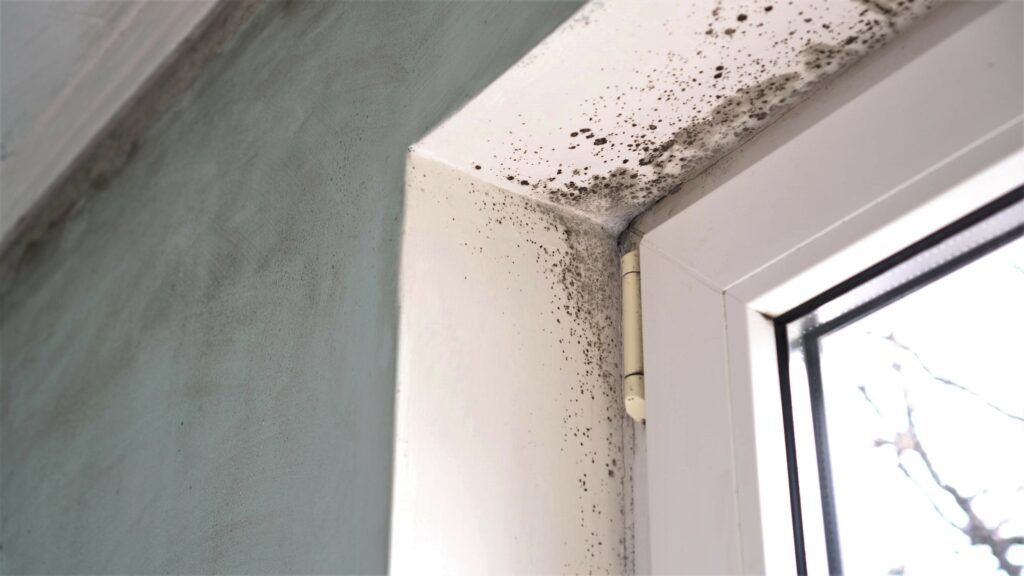
Installing a new roof should improve your home’s protection, not create unexpected issues. However, if mould starts to appear soon after installation, it can be both alarming and frustrating. Fortunately, this is a relatively common problem—and, more importantly, it’s usually caused by factors that can be identified and resolved.
Below, we explore the most common reasons mould may develop after a new roof installation and what you can do about it.
Poor Ventilation After A New Roof Installation
First and foremost, poor ventilation is one of the leading causes of mould following a new roof installation. While the roof may be completely watertight, it can sometimes restrict natural airflow within the loft space.
As warm air rises from inside your home, it carries moisture with it. If this air becomes trapped due to insufficient ventilation, condensation forms on colder surfaces. Consequently, this damp environment allows mould to grow.
Therefore, ensuring proper airflow through ridge vents, soffits, or tile vents is essential when installing a new roof.
Trapped Moisture
In some cases, mould appears because moisture becomes trapped during the installation of a roof. For instance, if roofing materials were fitted during damp conditions or before the underlying structure had fully dried, moisture can be sealed in.
Although everything may look fine initially, that hidden moisture can linger. As a result, mould begins to develop over time, often unnoticed until it becomes more widespread.
For this reason, experienced professionals always ensure conditions are dry and suitable before installing a new roof.
Insulation Problems Linked To A New Roof
Another key issue that can arise after a new roof is poorly installed or unbalanced insulation. While insulation improves energy efficiency, it must work in harmony with ventilation.
If insulation is too tightly packed or blocks airflow routes, moisture becomes trapped. Similarly, uneven insulation can create cold patches, which encourages condensation. Consequently, mould can begin to form despite having a new roof in place.
A properly installed system should strike the right balance between heat retention and airflow.
Faulty Ventilation Features
In addition to general ventilation, specific components of your new roof—such as vents and breathable membranes—must be installed correctly. If these features are blocked, missing, or incorrectly fitted, moisture cannot escape.
As a result, condensation builds up within the roof space, eventually leading to dampness and mould growth. Even a high-quality roof can experience issues if these smaller details are overlooked.
Regular inspections can help ensure all ventilation features are performing as intended.
High Indoor Humidity Affecting Your New Roof
It’s also important to consider conditions inside your home. Everyday activities like cooking, showering, and drying clothes release moisture into the air. If your home lacks proper ventilation, this moisture rises into the roof space.
Even with a new roof, excessive indoor humidity can lead to condensation problems. Therefore, extractor fans, open windows, and good airflow throughout the home are essential.
In many cases, mould issues are not caused solely by the new roof, but by a combination of internal and external factors.
Resolve Mould Issues Early
In summary, mould appearing after a new roof installation is usually linked to ventilation, insulation, or moisture control rather than a defect in the roof itself. Nevertheless, if ignored, it can lead to more serious problems over time.
By addressing the root cause early—whether it’s improving airflow or correcting installation issues—you can protect your home and ensure your new roof performs as it should.
Need Help With A New Roof In Tipton?
If you’ve noticed mould after installing a new roof, don’t leave it unresolved. Choose Davies & Davies Roofline in Tipton for expert advice, professional inspections, and reliable solutions tailored to your home.
Get in touch today to ensure your new roof stays efficient, dry, and problem-free for years to come.